![Ultimate Guide to Home Automation in India [2025]](https://Axera.in/wp-content/uploads/2025/09/Ultimate-Guide-to-Home-Automation-in-India-2025.webp)
Ultimate Guide to Home Automation in India [2025]
Imagine walking into your home after a long day and the lights adjust automatically, your favorite playlist starts, and the air conditioning sets itself to the perfect temperature. This is the promise of home automation in India, and in 2025, it’s no longer a luxury for a few — it’s becoming mainstream.
In this guide, we’ll answer the key questions about home automation, explore its benefits, devices, costs, and the companies leading the way in India.
What is Home Automation?
What exactly does home automation mean?
Home automation refers to the use of technology to control household devices such as lighting, appliances, security systems, and climate remotely. These systems can be managed through smartphones, voice assistants, or automated triggers.
Unlike simple smart devices, true automation integrates multiple devices into a single ecosystem — creating convenience, efficiency, and security.
Benefits of Home Automation
Why should Indian homeowners invest in automation?
Convenience & Comfort
Control everything — from lights to curtains — with a single tap or voice command.
Security & Safety
According to a report by Research and Markets, India’s smart security market is expected to grow by 25% CAGR till 2027, driven by rising demand for smart locks and cameras.
Energy Efficiency
Smart thermostats and automated lighting can cut energy bills by up to 20–30%, reducing wastage.
Remote Control & Monitoring
Monitor your home from anywhere using IoT devices. Parents can check on kids, while working professionals can secure their homes remotely.
Lifestyle Upgrade
Beyond utility, home automation enhances lifestyle — mood lighting, voice-controlled music, or even a smart coffee machine ready at sunrise.
Types of Home Automation Systems
What kinds of systems are available?
Security & Surveillance
-
Smart CCTV cameras
-
Doorbell cameras with two-way audio
-
Biometric or smart locks

Lighting Automation
Smart bulbs and dimmers can adjust brightness automatically. Some Indian households use Philips Hue and Wipro Smart Lights for mood and energy savings.
Climate Control
Smart AC controllers and thermostats keep rooms cool without wasting energy. Popular brands include Sensibo and Nest.
Lifestyle Appliances
Robotic vacuum cleaners (Xiaomi, iRobot) and smart refrigerators are entering the Indian market fast.
Central Control & Platforms
Devices are connected through hubs like Google Home, Amazon Alexa, and Apple HomeKit.
Home Automation Devices in India
Which devices are most popular in 2025?
-
Smart Switches – Automate lights, fans, and appliances.
-
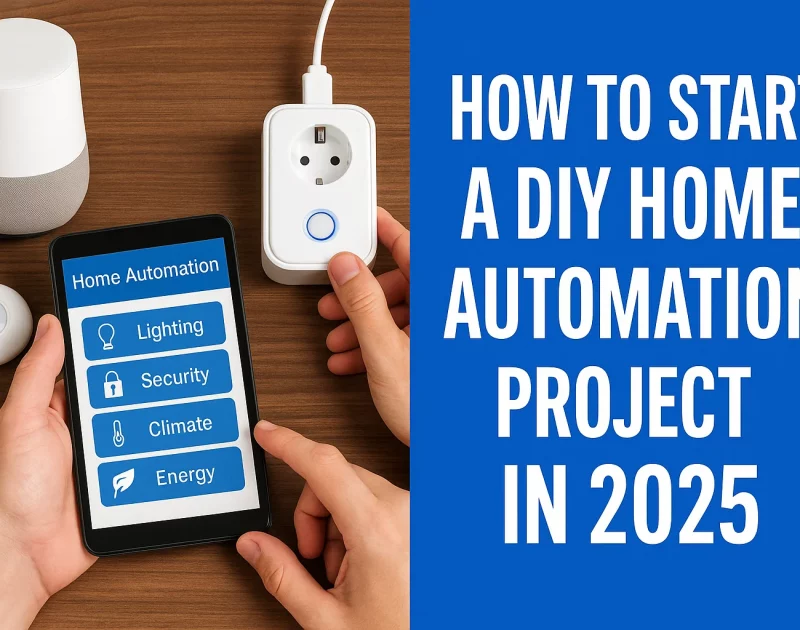
Smart Plugs – Make any appliance “smart” for under ₹1,000.
-
Motion Sensors – Trigger lights or alarms on movement.
-
Smart Speakers – Amazon Echo and Google Nest dominate the Indian market.
-
Security Systems – Bundled kits with locks, sirens, and cameras.

Cost of Home Automation in India (2025)
How much does it cost to automate a home?
-
Entry-level DIY setup (₹5,000–₹20,000): smart plugs, bulbs, basic cameras.
-
Mid-range setups (₹50,000–₹2,00,000): mix of switches, sensors, and central hubs.
-
Premium automation (₹3,00,000–₹10,00,000+): full home control with climate, appliances, and security.
The price depends on brand, installation, and customization.
Best Home Automation Companies in India
Q: Which companies are leading the market?
-
NUOS Home Automation – Popular for switches and retrofitting solutions.
-
Schneider Electric – International player with Indian presence.
-
Legrand – Premium smart switches and lighting systems.
-
Axera – Focused on making luxury automation affordable for Indian homes.

The Future of Smart Homes in India (2025 & Beyond)
-
AI integration – Devices that learn habits and adjust automatically.
-
IoT + 5G – Ultra-fast connectivity for seamless automation.
-
Voice & Gesture Controls – Beyond smartphones, natural interactions.
-
Green Homes – Energy-efficient automation reducing carbon footprint.
A Deloitte India study estimates that 40% of new urban homes will adopt some level of automation by 2030.
Conclusion – Is Home Automation Worth It in 2025?
Home automation is no longer futuristic — it’s practical and affordable. With costs coming down, and options ranging from DIY to luxury setups, Indian homeowners can choose solutions that fit their lifestyle and budget.
👉 If you’re planning to upgrade, start small with switches or plugs, then scale up as your needs grow.
Quick Summary
-
Home automation = convenience, safety, and energy savings.
-
Costs in India range from ₹5,000 (DIY) to ₹10,00,000+ (premium).
-
Popular devices: smart switches, plugs, security systems.
-
Top companies: NUOS, Schneider, Legrand, Axera.
-
Future: AI-driven, eco-friendly, and accessible.
FAQs
Q1: Is home automation expensive in India?
Not necessarily. You can start with DIY smart plugs and bulbs for under ₹5,000.
Q2: Can I retrofit my existing home with automation?
Yes, many companies like NUOS and Axera provide retrofitting options without rewiring.
Q3: Which smart home assistant is best in India?
Amazon Alexa and Google Home dominate due to Hindi language support.
Q4: Does home automation save electricity?
Yes, studies show savings of up to 20–30% through smart lighting and climate control.